

Pain Relief Through Physiotherapy & Rehabilitation: A Guide
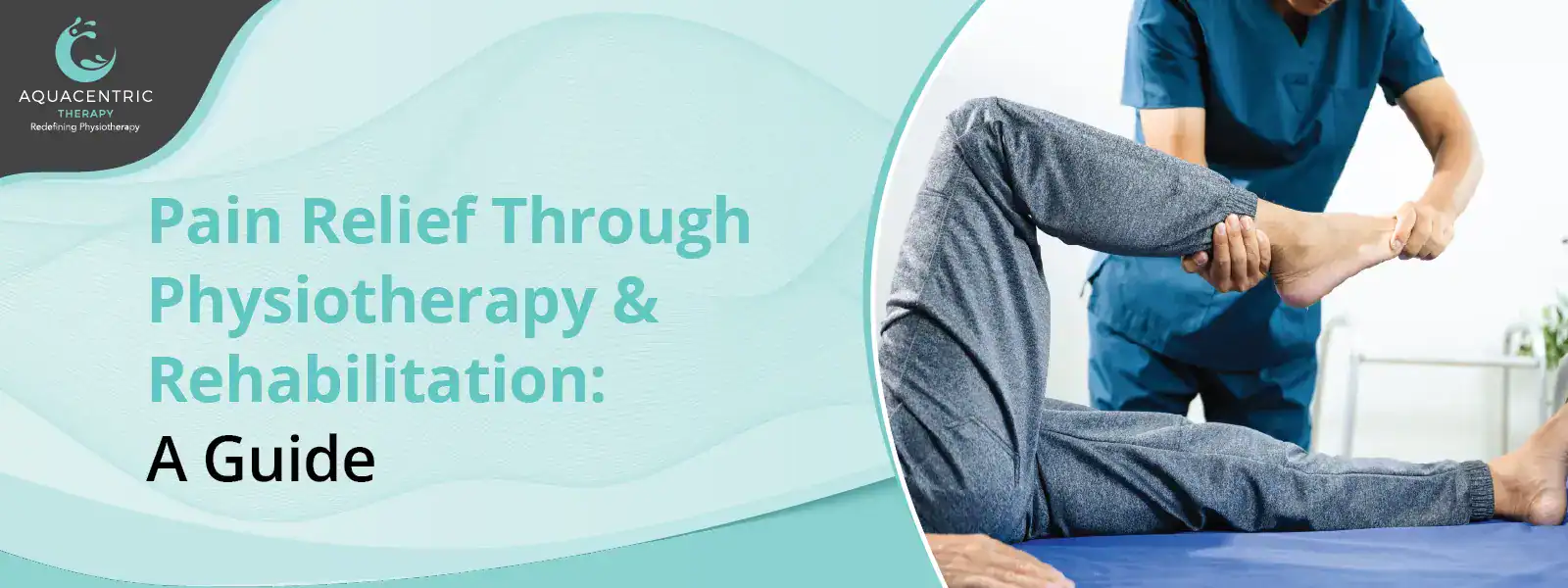
Pain is more than an uncomfortable sensation; it can change how you move, work, exercise, sleep, and carry out everyday activities. When pain persists or keeps returning, simply waiting for it to settle may not be enough. Physiotherapy and rehabilitation can help address the physical limitations associated with pain while supporting a gradual return to movement and function.
But how does physiotherapy help with pain, and what role does rehabilitation play in long-term recovery? In this blog, we will explore how physiotherapy can support pain management, the different treatment approaches used, who can benefit from rehabilitation, and what to expect during a physiotherapy session.
What Is Physiotherapy, and How Does It Help in Pain Relief?
Physiotherapy focuses on improving movement and physical function while helping people manage pain and return to activities that matter to them. Depending on the underlying condition, a physiotherapist may use exercise, manual techniques, guidance on managing symptoms and activity, and other therapeutic approaches as part of an individualised program.
- Movement-based pain management: Guided movement can help reduce stiffness, improve tolerance to activity, and support more comfortable movement.
- Strength and joint mobility: Targeted exercises can improve muscle strength, joint mobility, flexibility, and stability where these are affected by pain or injury.
- Recovery after injury or surgery: Physiotherapy can support a gradual return to movement and function following an injury or surgical procedure, according to the stage of healing.
- Prevention of physical limitations: Addressing weakness, restricted movement, balance problems, or poor movement patterns can help reduce the risk of ongoing functional difficulties.
The specific approach depends on the cause of pain, physical findings, recovery stage, and individual goals. Rehabilitation for musculoskeletal conditions is also recognised as an important component of comprehensive care.
What Are the Main Physiotherapy Treatments for Pain Management?
Physiotherapy uses a range of techniques to manage pain and restore function. Physiotherapy and rehabilitation services are tailored to an individual’s condition, symptoms, and recovery needs.
- Manual therapy: Hands-on techniques may be used to address joint or soft-tissue restrictions and support comfortable movement.
- Exercise therapy: Strengthening, stretching, mobility, balance, and endurance exercises can help restore physical function and improve tolerance to activity. The WHO guideline for non-surgical management of chronic low back pain recommends supervised, exercise-based rehabilitation as a core component of care for chronic primary low back pain.
- Electrotherapy techniques: Selected electrical modalities may be used as an adjunct to other treatments for specific clinical needs.
- Aquatic rehabilitation: Exercises performed in water can reduce the load on joints, while water resistance supports controlled strengthening.
- Postural and functional training: Instruction can address movement patterns, balance, posture, and task-specific activities relevant to everyday life, work, or sport.
How Does Rehabilitation Support Long-Term Pain Recovery?
Rehabilitation focuses on restoring the strength, mobility, and physical abilities needed for everyday activities. Progress is usually gradual and adjusted as function improves.
- Progressive strengthening: Exercises can gradually increase in difficulty to rebuild muscle strength and endurance without placing unnecessary strain on recovering tissues.
- Mobility restoration: Targeted mobility work can help improve movement where stiffness or reduced range of motion is limiting function.
- Functional movement retraining: Patients practise movements relevant to daily activities, work, or sports so that improvements translate into practical function.
- Injury recurrence prevention: Rehabilitation can address contributing factors such as weakness, reduced balance, or movement limitations that may increase the risk of future problems.
- Gradual return to activity: Activity levels are increased progressively, helping patients work towards their usual routines while allowing recovery to guide the pace.
Looking for the right approach to manage pain and improve movement?
Who Can Benefit from Physiotherapy and Rehabilitation?
Physiotherapy and rehabilitation can support recovery across a range of conditions. The appropriate approach depends on the diagnosis, symptoms, and individual needs.
- Orthopaedic conditions: People with back, knee, shoulder, joint, or other musculoskeletal problems may benefit from targeted mobility and strengthening programmes.
- Post-surgical recovery: Rehabilitation can help restore movement, strength, and function after appropriate surgical procedures once therapy is medically indicated.
- Neurological conditions: Individuals with conditions affecting movement, balance, coordination, or muscle control may require specialised neurological rehabilitation.
- Sports injuries: Athletes and active individuals may need progressive rehabilitation to restore strength, movement, sport-specific function, and confidence.
- Chronic pain conditions: People living with persistent pain, arthritis, or stiffness may benefit from programmes focused on maintaining movement, improving function, and managing physical limitations. Aquatic therapy for ankylosing spondylitis may be particularly relevant when land-based movement is difficult or uncomfortable.
- Older adults: Those experiencing reduced strength, balance, flexibility, or mobility may benefit from targeted programmes that support physical function and independence. Geriatric fitness and mobility rehabilitation can include appropriate strengthening, balance, and functional exercises based on individual needs.
Why Choose AquaCentric Therapy for Pain Relief and Recovery?
AquaCentric Therapy, a specialised physiotherapy center in Mumbai, combines aquatic physiotherapy with land-based rehabilitation to support different stages of recovery. Its therapy programmes are tailored to individual conditions and functional goals.
- Low-impact movement: Buoyancy reduces the load on joints, which can make certain movements more comfortable for people who find land-based exercise difficult.
- Controlled strengthening: Water resistance provides a way to work on strength and endurance while maintaining controlled movement.
- Improved mobility: Warm water may help reduce muscle tightness and make movement more comfortable during therapy.
- Individualised programmes: Physiotherapists assess each patient and develop rehabilitation programmes around their condition, needs, and recovery goals.
- Progressive rehabilitation: Aquatic therapy can be combined with land-based exercises to help patients gradually translate improvements in the pool into everyday movement and function.
What to Expect During a Physiotherapy and Rehabilitation Session?
A physiotherapy session typically begins with an assessment before treatment is planned. The approach may change as your condition and physical abilities progress.
- Initial assessment: Your physiotherapist evaluates pain, movement, strength, mobility, balance, and other relevant physical factors.
- Treatment planning: A programme is developed according to your condition, recovery stage, functional needs, and goals.
- Guided therapy: Sessions may include aquatic therapy, therapeutic exercises, manual techniques, or other appropriate interventions
- Progress monitoring: Your response to treatment is monitored, and exercises or activities can be adjusted as your abilities improve.
- Recovery milestones: The focus gradually shifts towards restoring practical movement and helping you return to appropriate daily, work, or sporting activities.
Take the next step towards better movement with personalised physiotherapy and rehabilitation
Conclusion
Physiotherapy and rehabilitation can play an important role in managing pain, restoring movement, and improving physical function. Rather than focusing only on short-term symptom relief, a structured programme can address strength, mobility, balance, and movement limitations that affect everyday life. The right approach varies from person to person, which is why professional assessment and individualised treatment planning are important. Aquatic rehabilitation can offer an additional low-impact environment for people who may find certain movements difficult on land, while land-based therapy can help translate progress into everyday function.
AquaCentric Therapy combines both approaches based on individual needs. If you are experiencing persistent pain or difficulty with movement, contact us to discuss your rehabilitation needs.
FAQs
1. What is physiotherapy, and how does it help with pain relief?
Physiotherapy helps improve movement, strength, and physical function while managing pain. It may include exercises, manual techniques, and other therapeutic approaches based on the underlying condition.
2. What conditions can be treated with physiotherapy and rehabilitation?
Physiotherapy can support people with orthopaedic, neurological, cardiovascular, and pulmonary conditions, as well as sports injuries and post-surgical recovery. Treatment is tailored to the condition, symptoms, physical abilities, and functional goals.
3. How long does physiotherapy take to relieve pain?
Timeframes vary by condition, severity, and individual response. Many people notice some relief within two to six sessions, while more complex or long-standing issues may require 6–12+ weeks of regular therapy.
4. How often should I attend physiotherapy sessions?
The recommended frequency depends on your condition, treatment goals, and stage of recovery. Your physiotherapist can suggest a suitable schedule and adjust it as your progress changes.

