Why Is Water Therapy Effective for Pain Relief and Recovery?
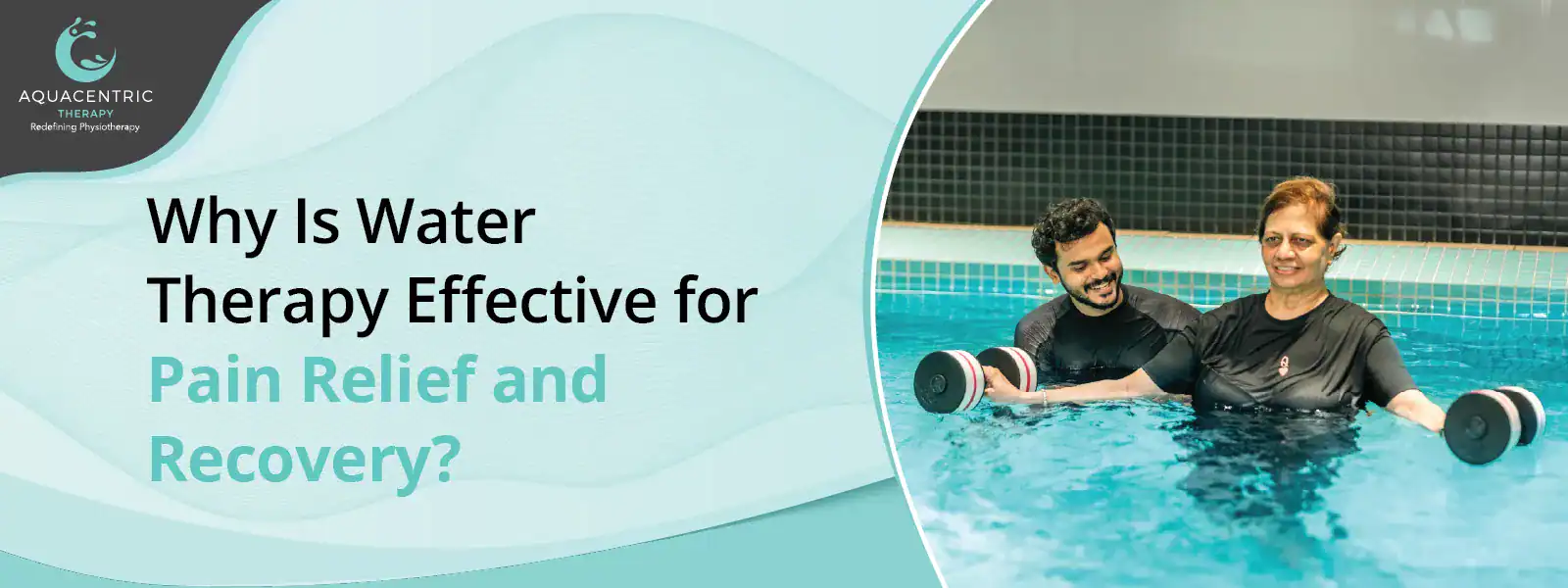
Water therapy, also called aqua therapy or aquatic physiotherapy, uses the properties of water to support movement, exercise, and rehabilitation. Buoyancy reduces the amount of body weight placed on the joints, making movement easier and reducing the physical load during exercise. Water resistance provides a gentle way to challenge muscles, while warm water helps ease stiffness and make movement more comfortable.
These properties make water therapy useful for musculoskeletal conditions, chronic pain, neurological conditions, and recovery after injury or surgery. As part of physiotherapy, aquatic exercises can be tailored to a patient’s pain, mobility, strength, and stage of recovery, helping them work towards specific functional goals.
How Water Therapy Works: The Science of Buoyancy, Resistance, and Temperature
Water creates a supportive environment where patients can practise movement with less loading on the joints. The following properties are particularly useful during aquatic rehabilitation:
- Buoyancy: Water supports part of the body’s weight, reducing the load placed on joints during standing, walking, and exercise. This can make certain movements easier and more comfortable for patients with pain, weakness, or limited mobility.
- Resistance: Water provides resistance in multiple directions. As patients move their arms or legs through the water, muscles have to work against this resistance. Exercises can therefore be progressed without relying solely on external weights.
- Water temperature: Warm water can help muscles relax, ease stiffness, and promote blood flow, which may make movement more comfortable for some patients. Temperature is selected according to the treatment goals and individual needs.
Together, these properties allow physiotherapists to modify exercises while controlling the amount of support and resistance. This can be useful during orthopaedic rehabilitation, including after joint surgery, as well as for conditions such as arthritis and other musculoskeletal problems.
What Are the Advantages of Aqua Therapy for the Body?
Aqua therapy can support several aspects of physical rehabilitation. Its benefits depend on the individual’s condition, exercise programme, and treatment goals.
- Pain management: Warm water and re duced joint loading can help ease pain and stiffness and support comfortable movement.
- Joint mobility: The reduced load can make it easier to practise controlled movements and work on range of motion.
- Muscle strength and endurance: Water resistance provides a way to challenge muscles progressively during therapeutic exercises.
- Balance and coordination: Water provides support while patients practise weight shifting, standing, walking, and other functional movements.
- Movement confidence: Practising movements in a controlled environment can help patients gradually become more comfortable with physical activity.
Who Can Benefit Most from Water-Based Rehabilitation?
Water-based rehabilitation can be adapted for people with different levels of strength, mobility, and physical ability. It may be considered for:
- Knee and joint recovery: People undergoing knee pain rehabilitation or recovering from procedures such as knee or hip replacement may use aquatic exercises as part of a structured rehabilitation programme when medically appropriate.
- Back or joint pain: Reduced loading can make exercise more manageable for some people with chronic low back pain, arthritis, or other musculoskeletal conditions. Aquatic therapy can support mobility and strengthening, while arthritis rehabilitation may incorporate aquatic exercises to help manage symptoms and maintain function.
- People with neurological conditions: Aquatic therapy can support balance, gait, coordination, strength, and functional movement as part of rehabilitation for Multiple Sclerosis, Parkinson’s disease, and stroke. The exercises and level of support are adapted to the individual’s condition and rehabilitation goals.
- Older adults: The supportive environment can allow older adults to practise movement and exercise while reducing the physical demands of some land-based activities.
- Athletes: Some athletes may use aquatic rehabilitation to maintain or progressively rebuild strength, mobility, and conditioning during recovery from injury.
- People with chronic pain: Water-based exercise can provide a lower-impact way to remain physically active while working towards individual rehabilitation goals. Learn more about aqua therapy for managing chronic pain and how it can support movement and exercise.
Aquatic therapy should be undertaken following an assessment by a qualified physiotherapist, who can determine its suitability and adapt the programme to the person’s condition and stage of recovery.
Learn how a personalised aquatic physiotherapy programme can support your rehabilitation goals
How Does AquaCentric Therapy Support Recovery?
At AquaCentric, aquatic physiotherapy is structured around the patient’s condition, functional goals, and stage of recovery. Rather than simply exercising in water, each session can be adjusted to target specific movement and rehabilitation needs.
- Progressive exercise: Exercises can gradually increase in difficulty as strength, mobility, and control improve.
- Reduced strain: Buoyancy can reduce joint loading while water resistance provides a way to challenge muscles during movement.
- Functional movement: Sessions can include activities that work on balance, walking, transfers, coordination, and other movements relevant to daily life.
- Physiotherapy supervision: Exercises are guided by physiotherapists who can monitor movement, adjust resistance, and modify exercises according to the patient’s response.
- Transition to land: As movement and strength improve, aquatic exercises can complement and support progression towards land-based rehabilitation and everyday activities.
What Can You Expect During a Water Therapy Session?
A water therapy session is planned according to the patient’s condition and rehabilitation goals. While the exact routine varies, a session may include:
- Assessment and goal setting: The physiotherapist reviews mobility, strength, pain, functional limitations, and rehabilitation goals to plan suitable exercises.
- Warm-up: Gentle movements in the water prepare the body for exercise and allow the patient to become comfortable with the aquatic environment.
- Therapeutic exercises: Guided movements may target strength, mobility, balance, coordination, endurance, or functional activities using the resistance of the water.
- Support equipment: Floats, resistance equipment, or other aids may be used to provide support or increase the challenge when appropriate.
- Cool-down: The session may finish with slower movements and mobility exercises to help the patient transition out of the active part of therapy.
The intensity and duration of each session depend on the patient’s condition, tolerance, and treatment plan.
Discuss your symptoms, movement goals, and rehabilitation options with the AquaCentric team
Conclusion
Water-based rehabilitation offers physiotherapists a practical way to adapt exercise to a patient’s abilities, symptoms, and stage of recovery. Its role can vary from helping patients begin movement with greater comfort to progressively working on strength, balance, mobility, and functional activities.
It is not a replacement for every form of rehabilitation, and its suitability depends on the individual’s condition and goals. AquaCentric Therapy offers aqua physiotherapy in Mumbai to help patients use the benefits of water as part of a structured rehabilitation programme. Contact us to take the next step towards a more supported approach to recovery with aqua therapy.
FAQs
1. What is water therapy, and how does it work?
Water therapy, also called aqua therapy, uses buoyancy, water resistance, and temperature to support movement and exercise. It can reduce joint loading while allowing patients to work on strength, mobility, balance, and other rehabilitation goals.
2. What happens during a water therapy session?
A session typically begins with an assessment and warm-up, followed by therapeutic exercises based on the patient’s condition and goals. The physiotherapist may use the water’s resistance, buoyancy, and supportive equipment to work on movement, strength, balance, or mobility.
3. Is aqua therapy effective for pain relief?
Aqua therapy can help manage pain by reducing pressure on joints and making movement easier. Warm water and controlled exercise can also help reduce stiffness and support comfortable movement.
4. How does aqua therapy help with rehabilitation?
Aqua therapy allows patients to practise movements with reduced loading while using water resistance to gradually build strength and control. It can complement land-based physiotherapy as patients progress through recovery.
5. What conditions can benefit from aqua therapy?
The conditions that can benefit from aqua therapy include arthritis, back and joint pain, neurological conditions, sports injuries, and recovery after certain surgeries. Suitability depends on the individual’s condition, recovery stage, and rehabilitation goals.

